
Permanent exhibition
The Fate of Polish Villages, 1939–1945
The fate of Polish rural communities under German occupation
Discover the exhibition
The Stages of the Exhibition
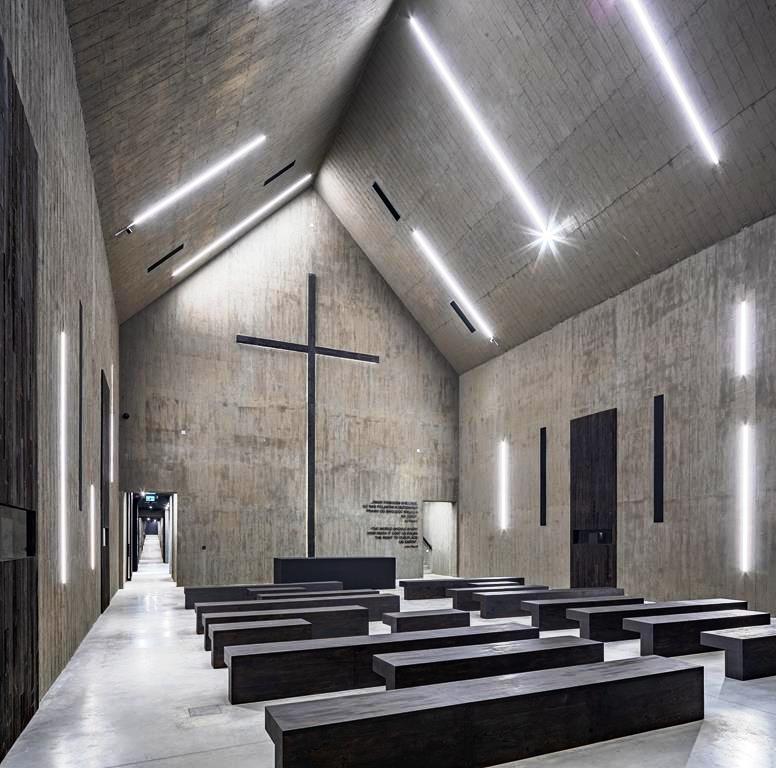
The House of Silence
A place of contemplation and reflection before beginning the visit. It forms a symbolic threshold leading into the history of Polish villages during the Second World War.
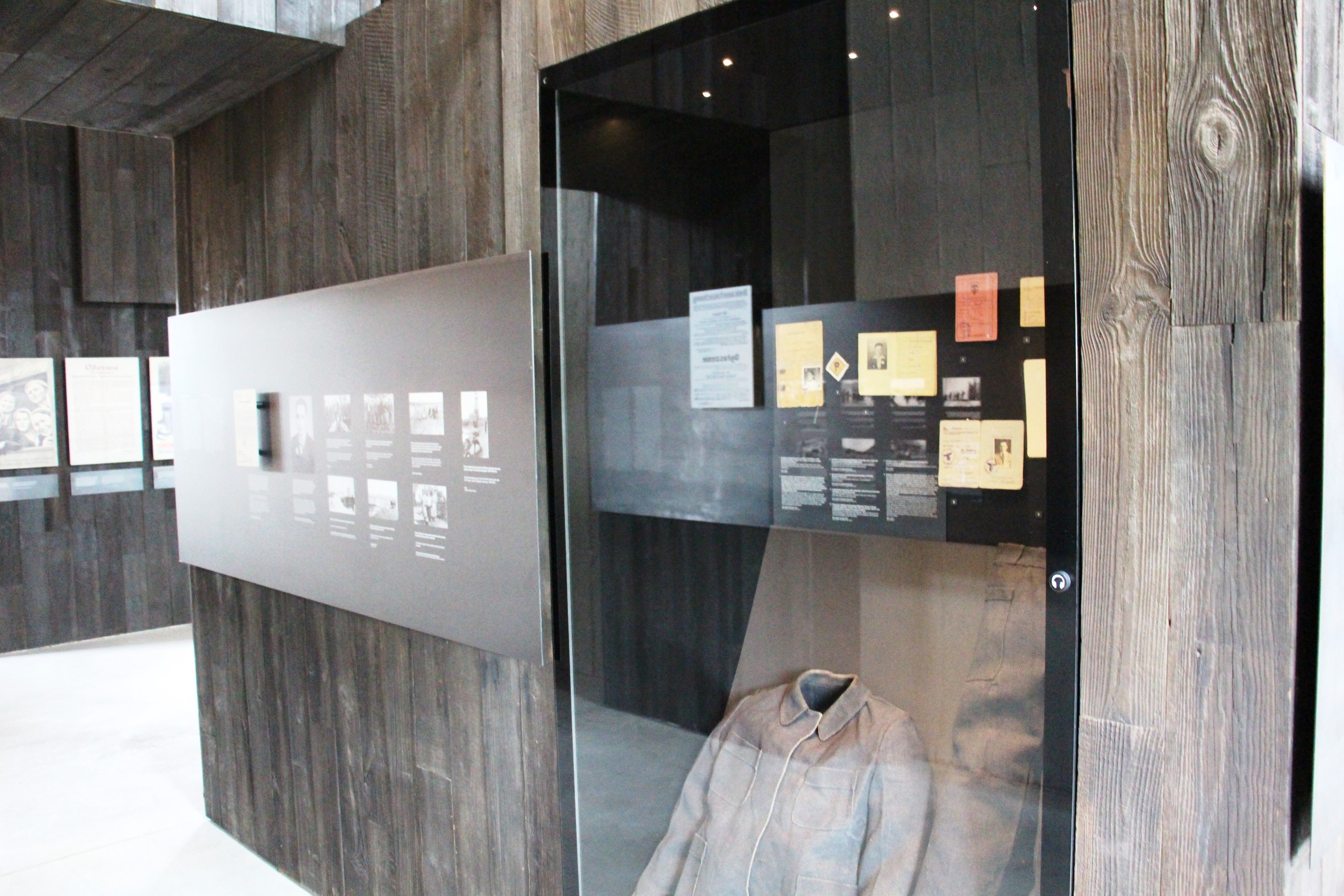
The Second World War
An introduction to the realities of German occupation and the tragedy experienced by rural communities whose everyday lives were shattered by the terror of war.
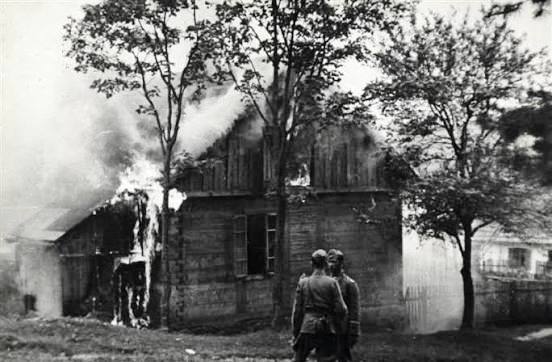
Extermination
Repression, forced displacement, confiscation of property and the organised system of violence that affected thousands of inhabitants of Polish villages.
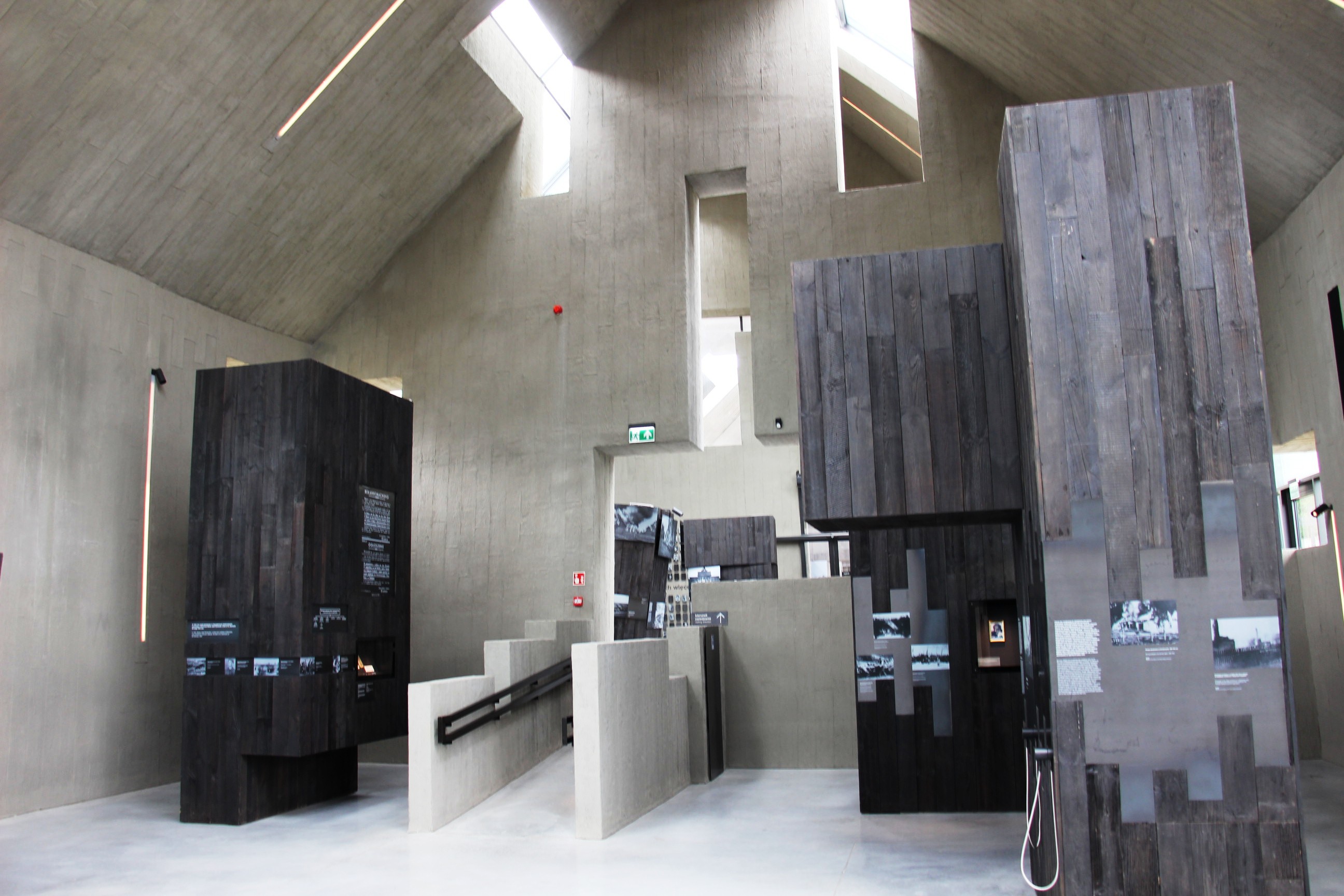
Genocide
Pacification operations, executions and deportations of civilians formed part of a deliberate policy of terror against the inhabitants of the occupied territories.
12–13 July 1943
Michniów 1943
The pacification of Michniów became a symbol of the fate of Polish villages during the Second World War. It forms the central part of the Mausoleum’s narrative and the most important memorial site in this story.
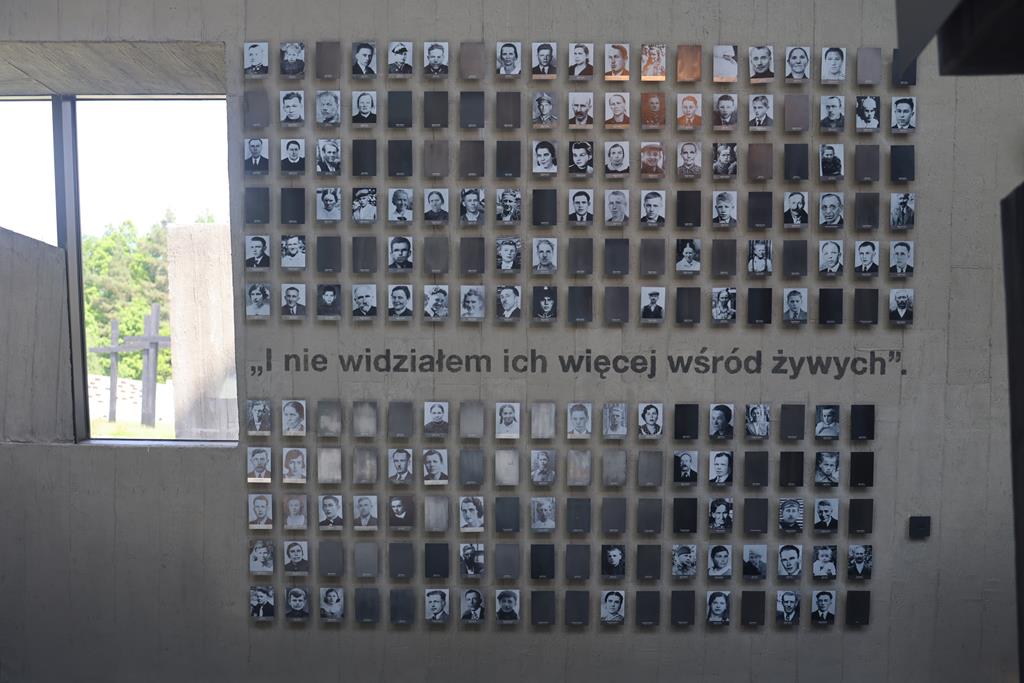
Victims
Behind every number are individual people, families and personal tragedies. The exhibition restores the memory of the victims’ names, faces and lives.
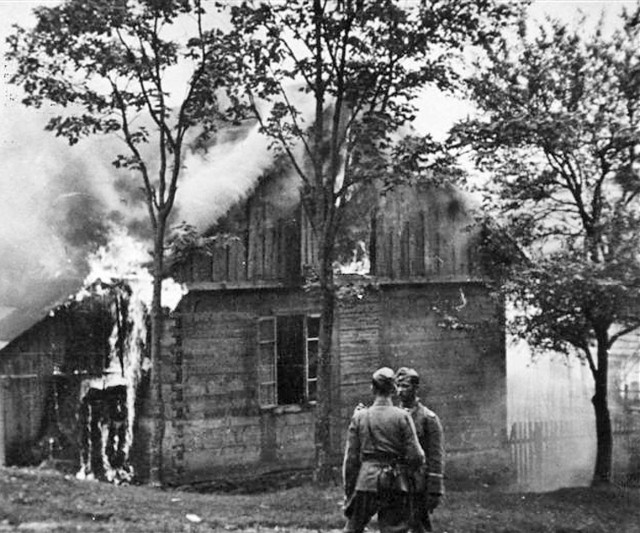
Destruction
Destroyed homes, farms and entire communities demonstrate the scale of the material and human losses suffered by Polish villages.
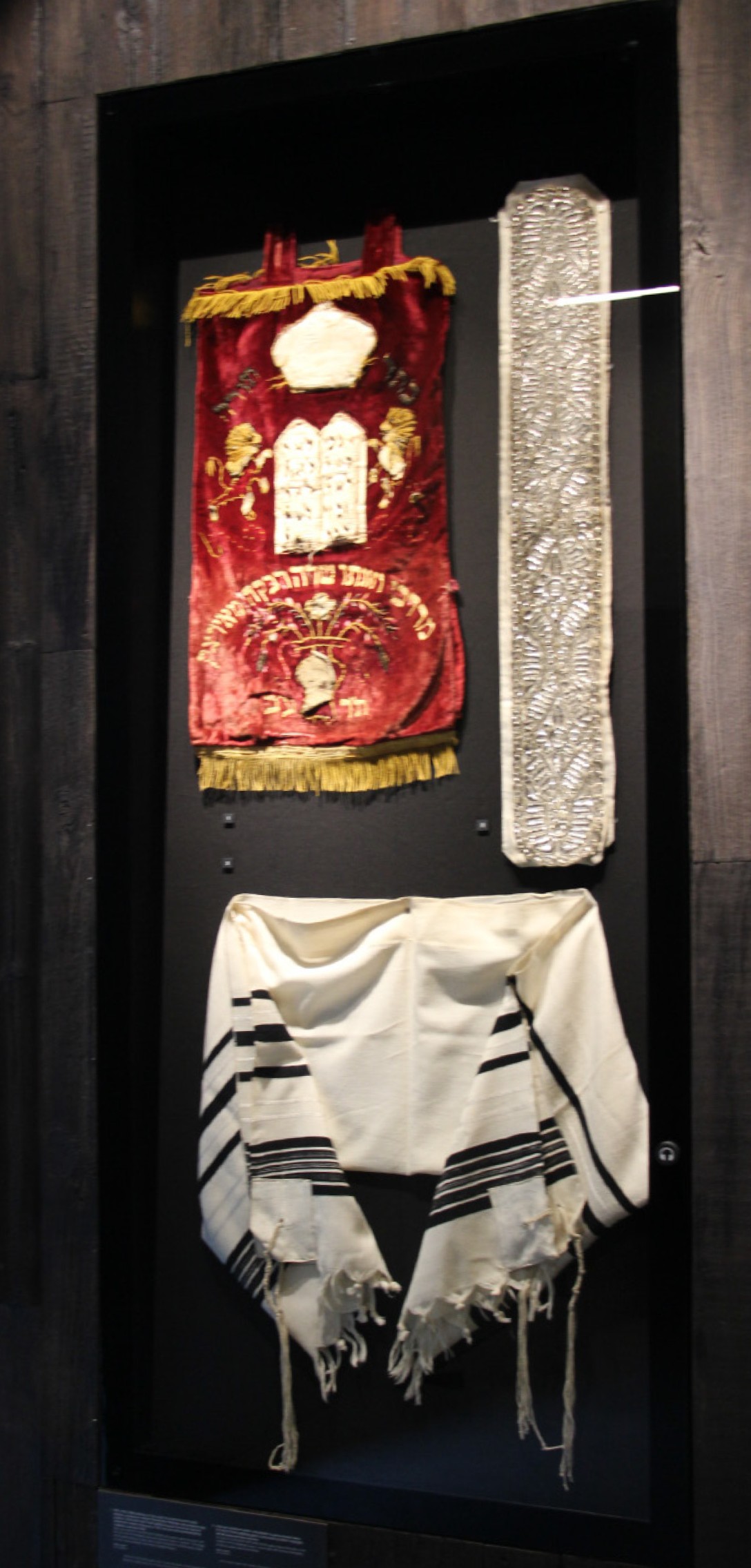
For Helping Jews
Despite facing the threat of death, inhabitants of many Polish villages provided assistance to persecuted Jews. This part of the exhibition commemorates their courage and solidarity.
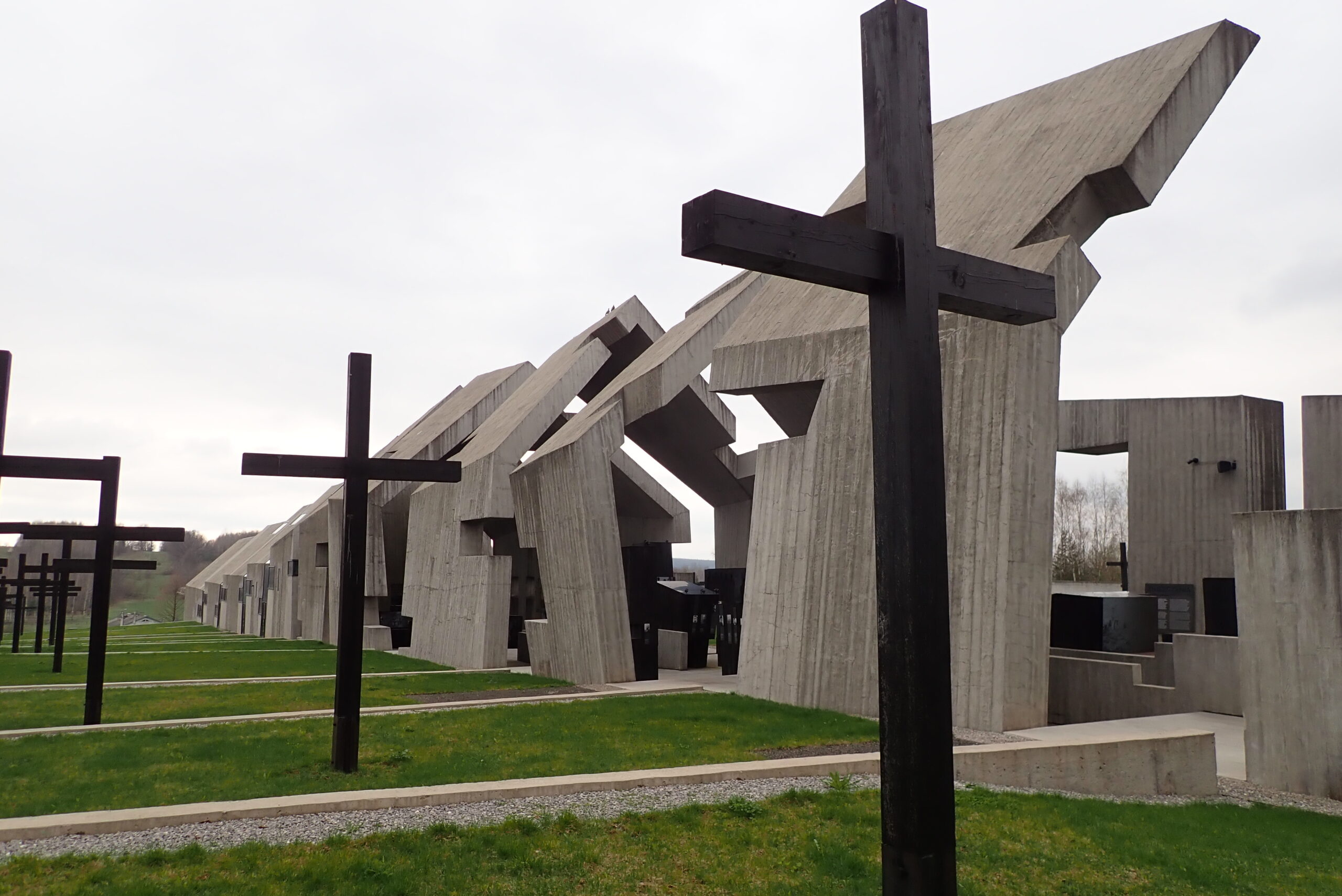
Remembrance
Remembering the past is a responsibility towards the future. The Mausoleum remains a place of reflection, education and respect for the victims.
Remembering the past
is a responsibility towards the future.
Online exhibition
Poles and Ukrainians, 1918–1947
Conflict – Genocide – Oblivion – Hope. Explore all 24 exhibition panels and select your preferred language version.